
Oman 9-12 April
Adjacent to Dubai is the Sultanate of Oman, a 1,700 km coastal plain at the southeast tip of the Arabian Peninsula lying on the Arabian Sea and the Gulf of Oman. It is also bordered by Saudi Arabia and Yemen.
We visited three places in Oman: Khasab, Muscat and Salalah.
Khasab
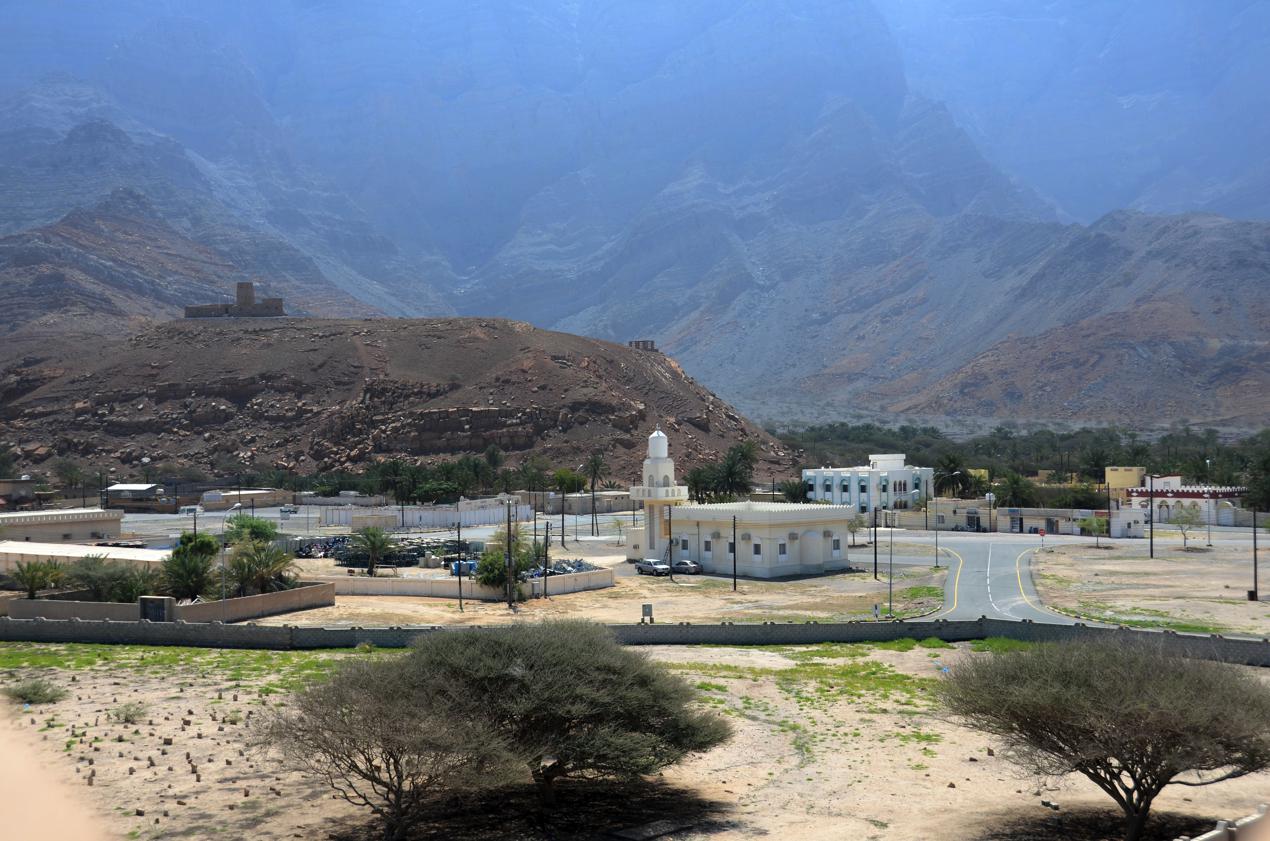
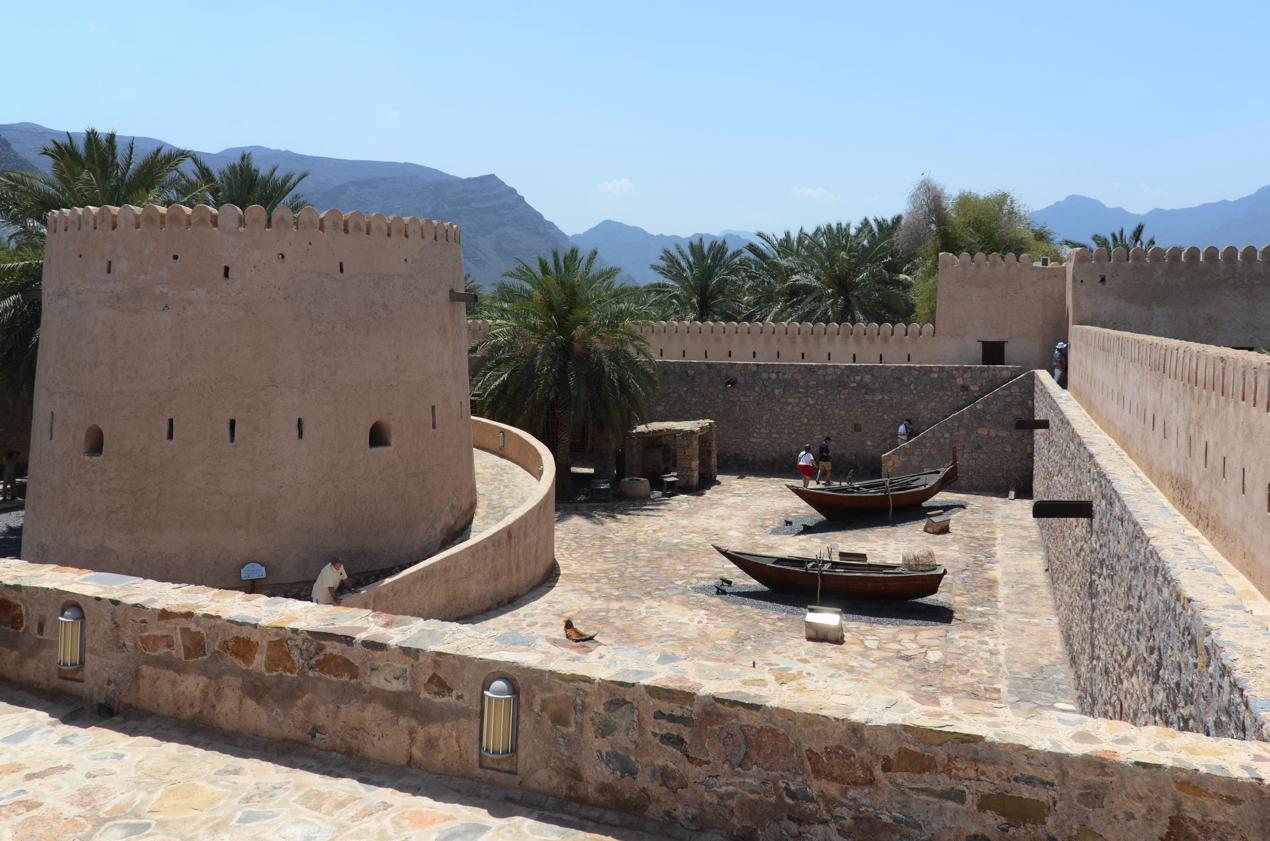
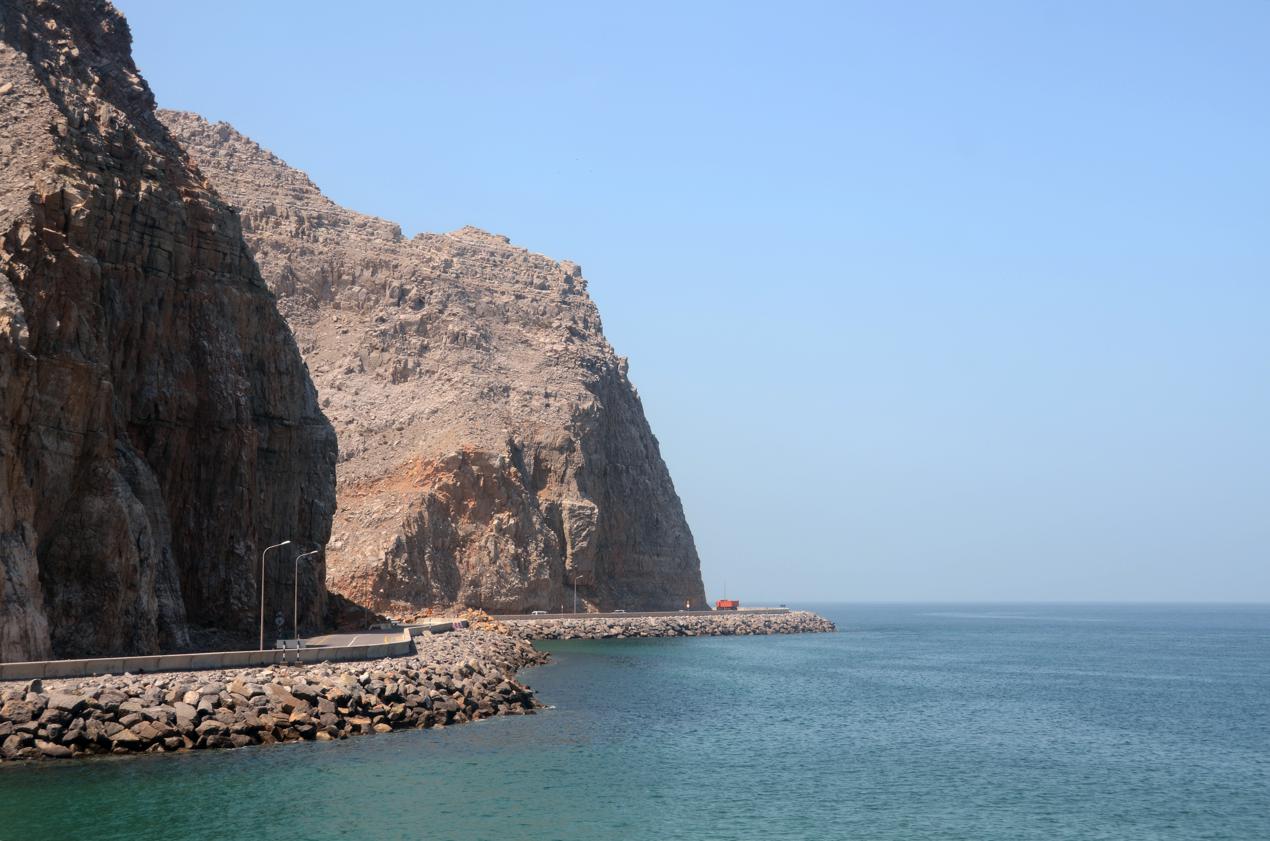
Khasab’s most significant attribute is it is located at the Straits of Hormuz which has been a strategically important waterway for centuries. It is a choke point for sea traffic entering and leaving the Persian Gulf and onwards to the Suez Canal. It has only recently been opened to tourism as it was previously a restricted military area. The rugged scenery makes it an interesting place to visit but tourism is just developing so on some of our tour we had to use our imagination a bit. The most notable attraction Was Khasab Castle


Muscat
Sailing into Muscat, the capital of Oman, the first thing you see is Mutrah Fort which overlooks the port and its approaches. 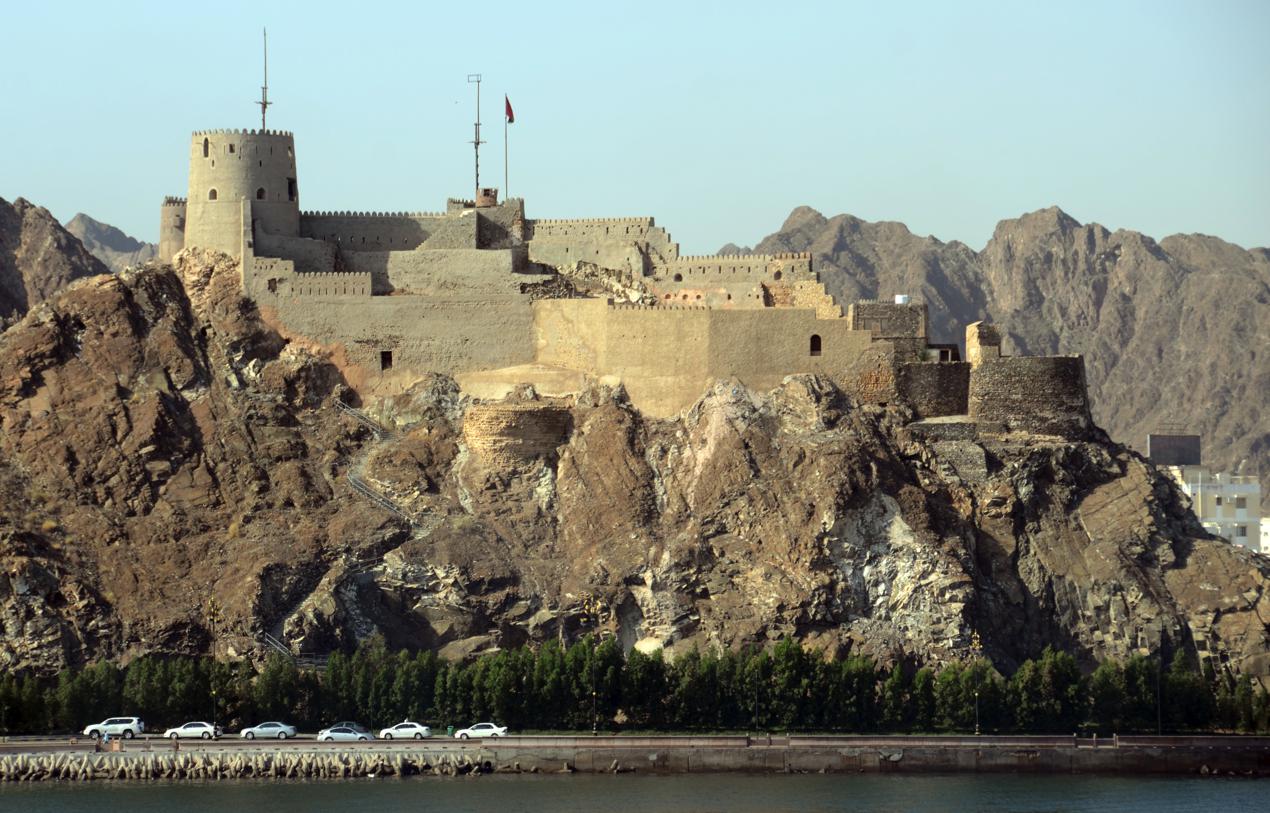
We visited the Sultan Qaboos Grand Mosque which is an amazing building showcasing intricate workmanship and beauty. 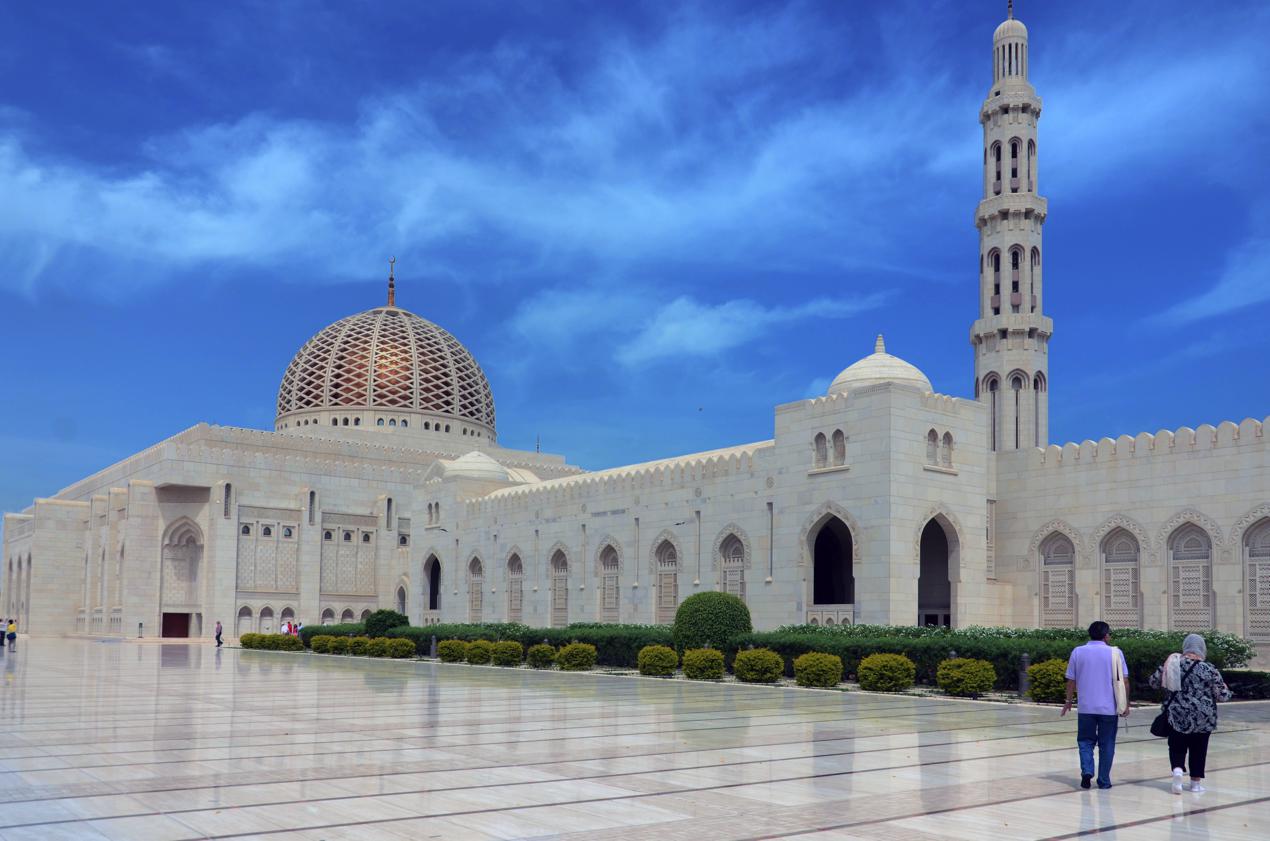
From the Mosque we headed some distance out of town to a fish market. By the tie we got there it was getting towards midday and there was not much activity and most of the fish had gone.
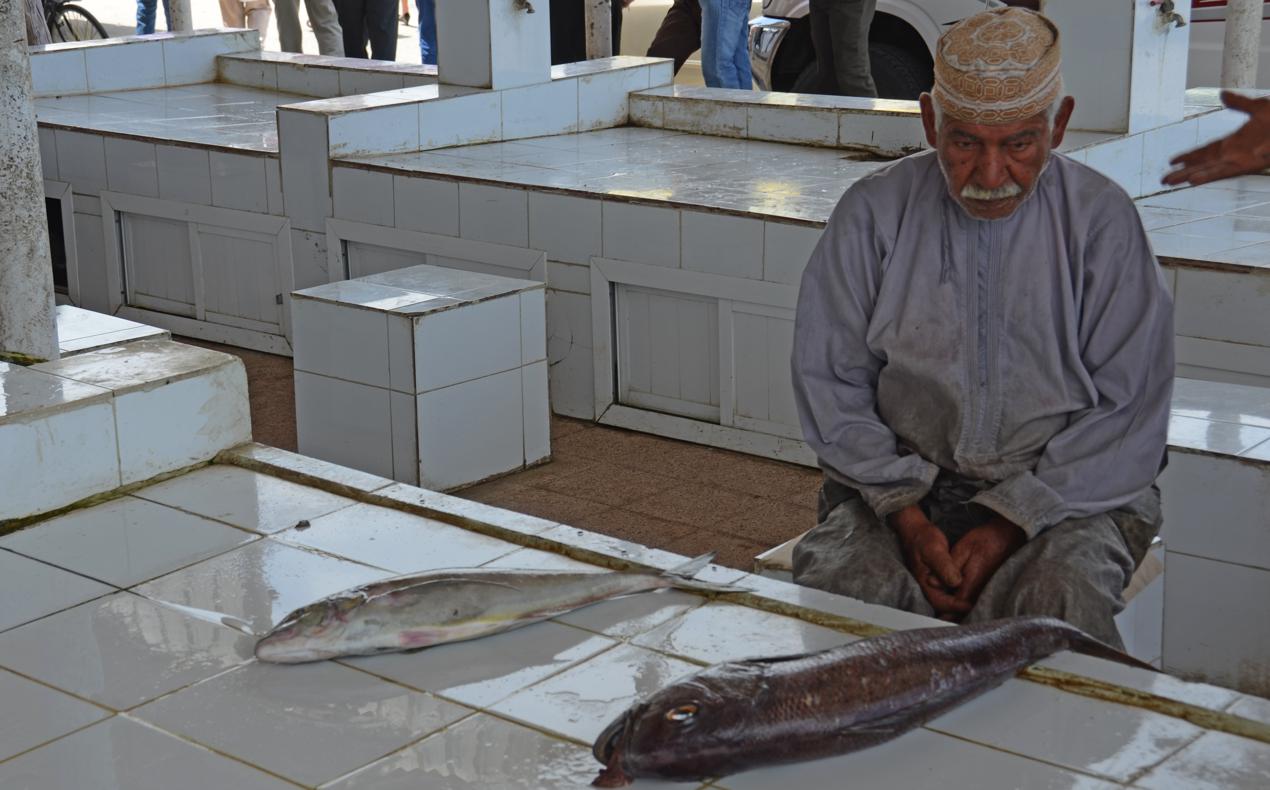
From the fish market we spent some time at Nakhal Fort which is an interesting shape as it was built around the existing rock formation.

From the fort we stopped briefly at an oasis before heading back into the city area and had lunch at a local eatery rather than a western restaurant. The food was very nice but the staff took a while to rustle up cutlery for us all, as the local custom is to eat with your fingers, rolling curries and wet dish food with rice into balls and eating it.

Salalah
Salalah is famous for Frankincense, a resin which is burnt as incense to give off a fragrant smell. On arrival in Salalah we boarded our minibus and headed for the mountains where we had a picnic lunch. We were all a but dubious about it but it was a delightful spread in a shady area in the mountains and we had the added attraction of being watched by camels.
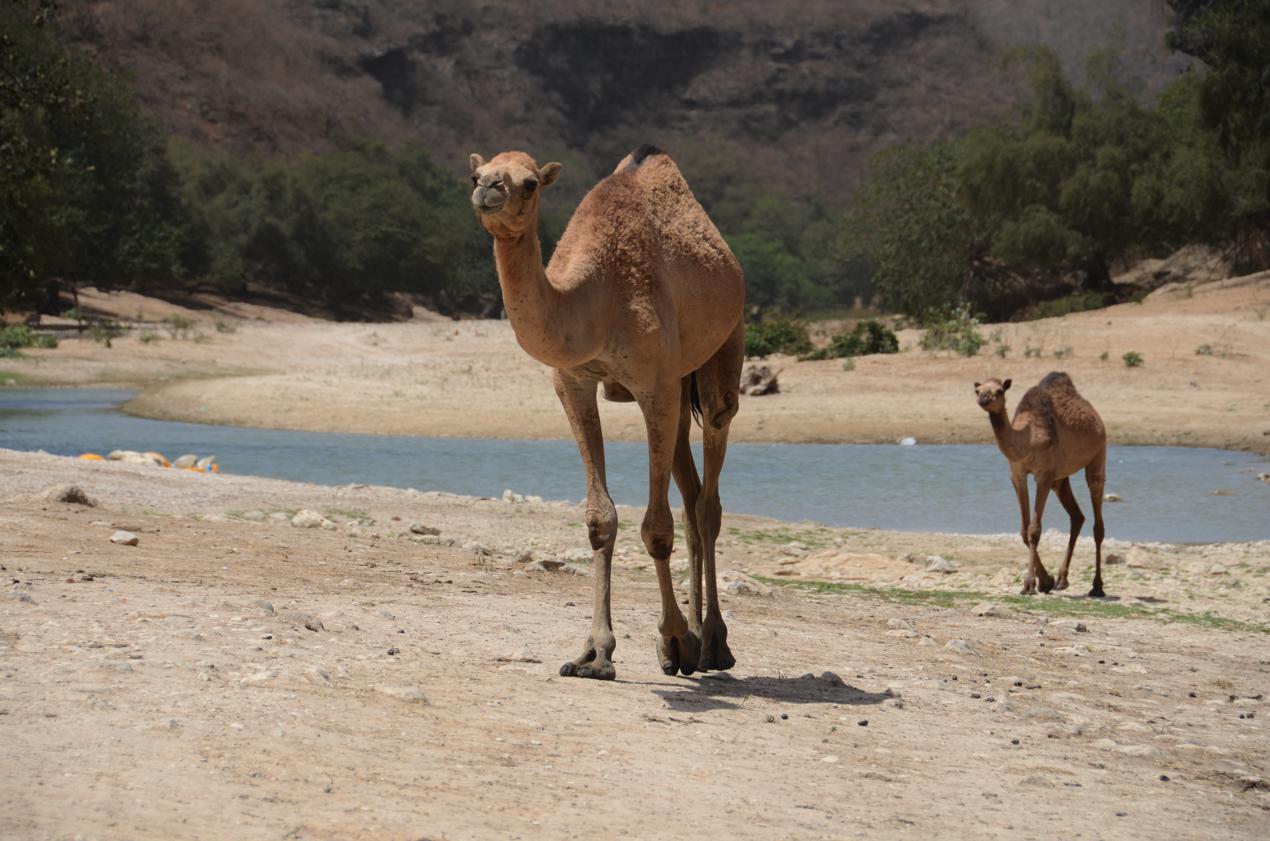
After our picnic lunch we went to the archeological site, commonly referred to as the Queen of Sheeba Palace, which is actually the ruins of Samhuram, an ancient port dating back to 3,000BC and perched on a hill overlooking a lagoon.

From Samhuram we stopped briefly on a cliff top overlooking a fishing village.
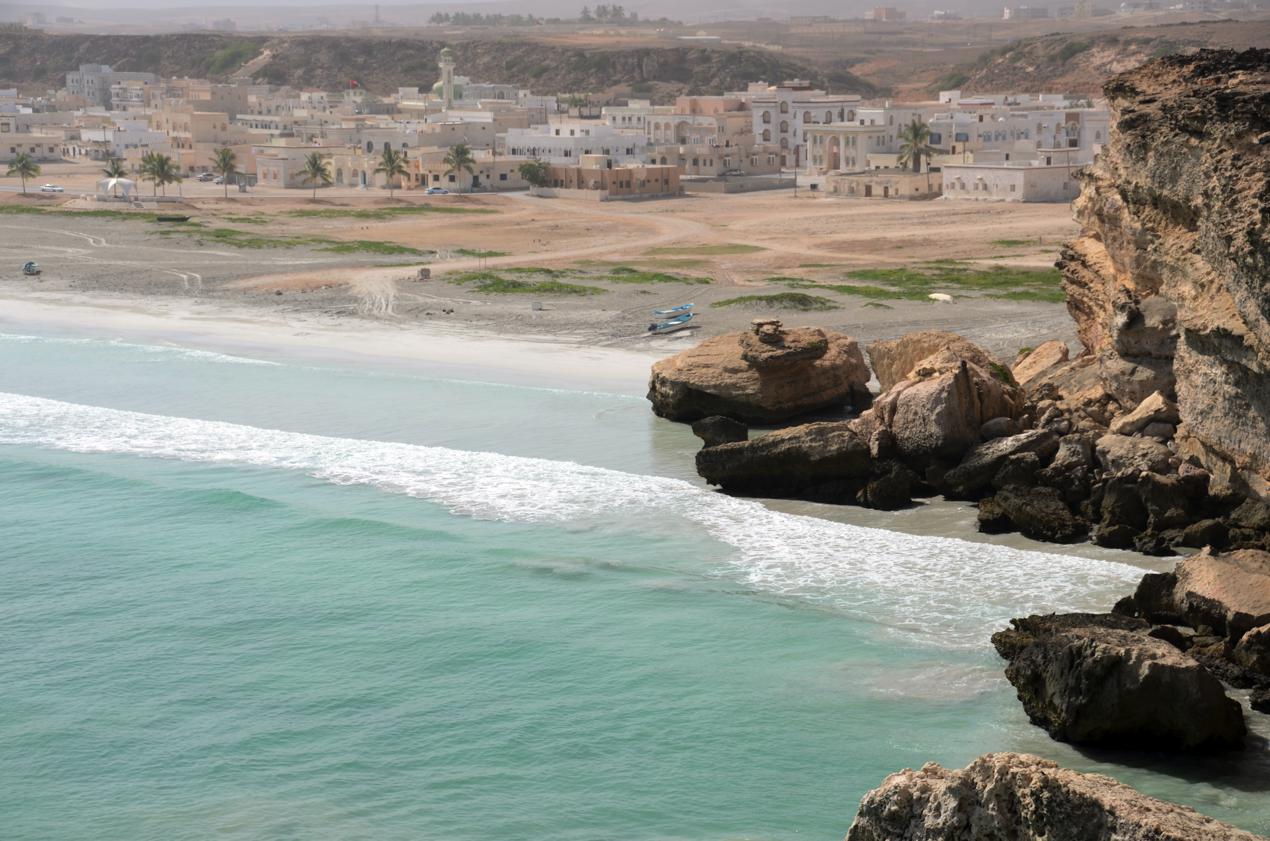
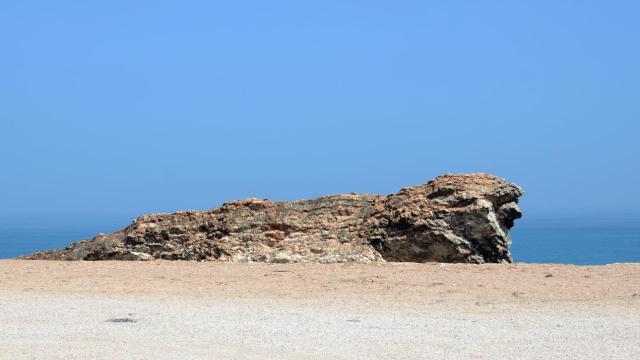
A large rock on the top of the cliff looked a bit like a komodo dragon.
 Finally we headed back into town to see the outside of the Sultan’s palace and visit the souk for a quick bit of browsing and investigation of frankincense.

For more pictures click here to open a new window.
 Jim and Sue's Gray Nomad Adventures
What an amazing journey you two are on!! The Launders