
April 23-24
We docked at Ashdod in Israel and disembarked for another overnight trip off the ship.
Our first activity was a drive to the Dead Sea and a visit to the Masada fortress, built by King Herod.
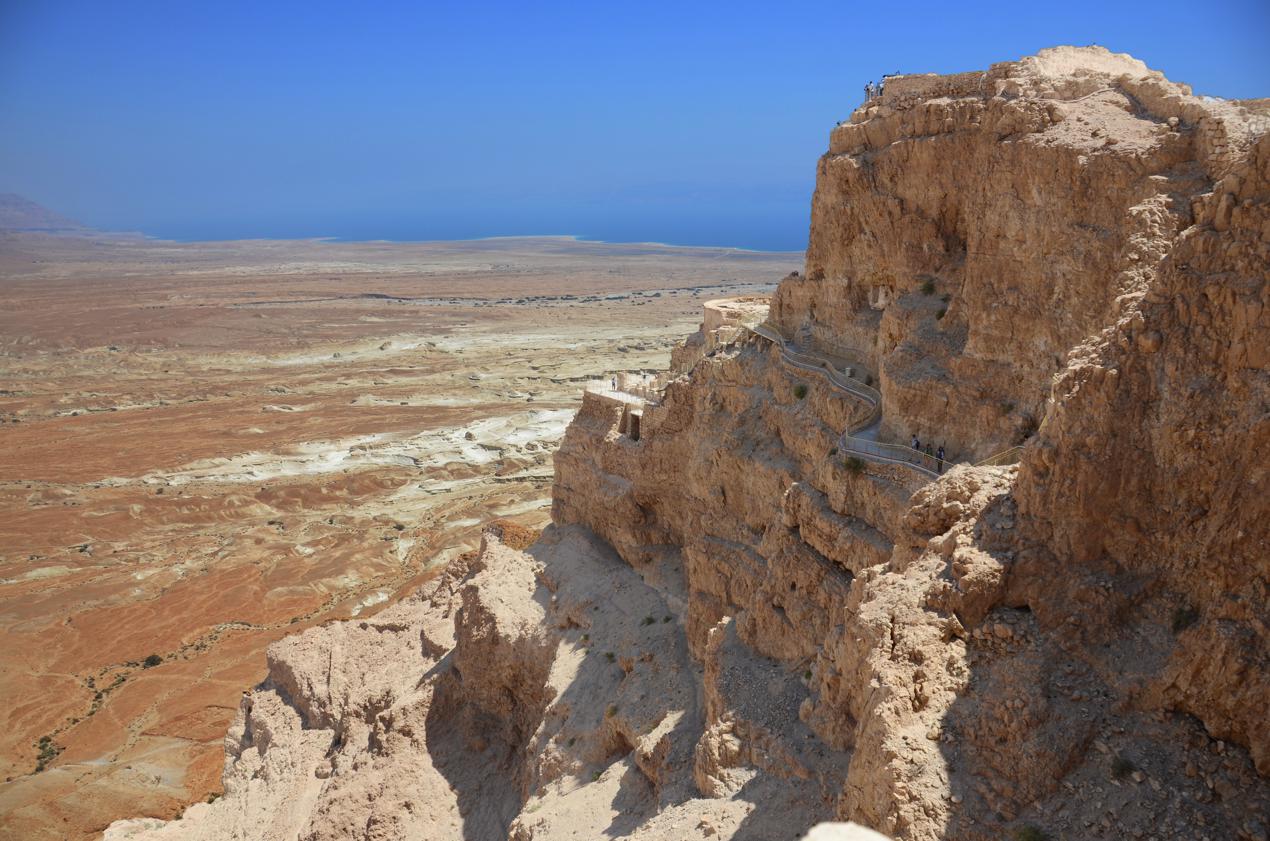
Part of the fort at Masada
Masada is the site of the “last stand” by Jews resisting the Romans. In 66 AD, at the beginning of the Great Jewish Revolt against the Roman Empire, a group of Jewish extremists overcame the Roman garrison of Masada and settled there. In AD 72 there were 960 people concentrated at Masada, representing the last bastion of resistance to the Romans. The Romans besieged the fortress with 15,000 troops and eventually breached the fort. When they entered the fort they found that the Jewish rebels had set fire to all the buildings except the food storerooms and had committed mass suicide, declaring death to be preferable to slavery.
Walking around the archeological site, you can see how easily defended the fort would have been – although repelling 15,000 troops is a big ask!

Cable Car to Masada – the Romans had to walk!
Our next stop was at Qumran, the site where the Dead Sea Scrolls were found.
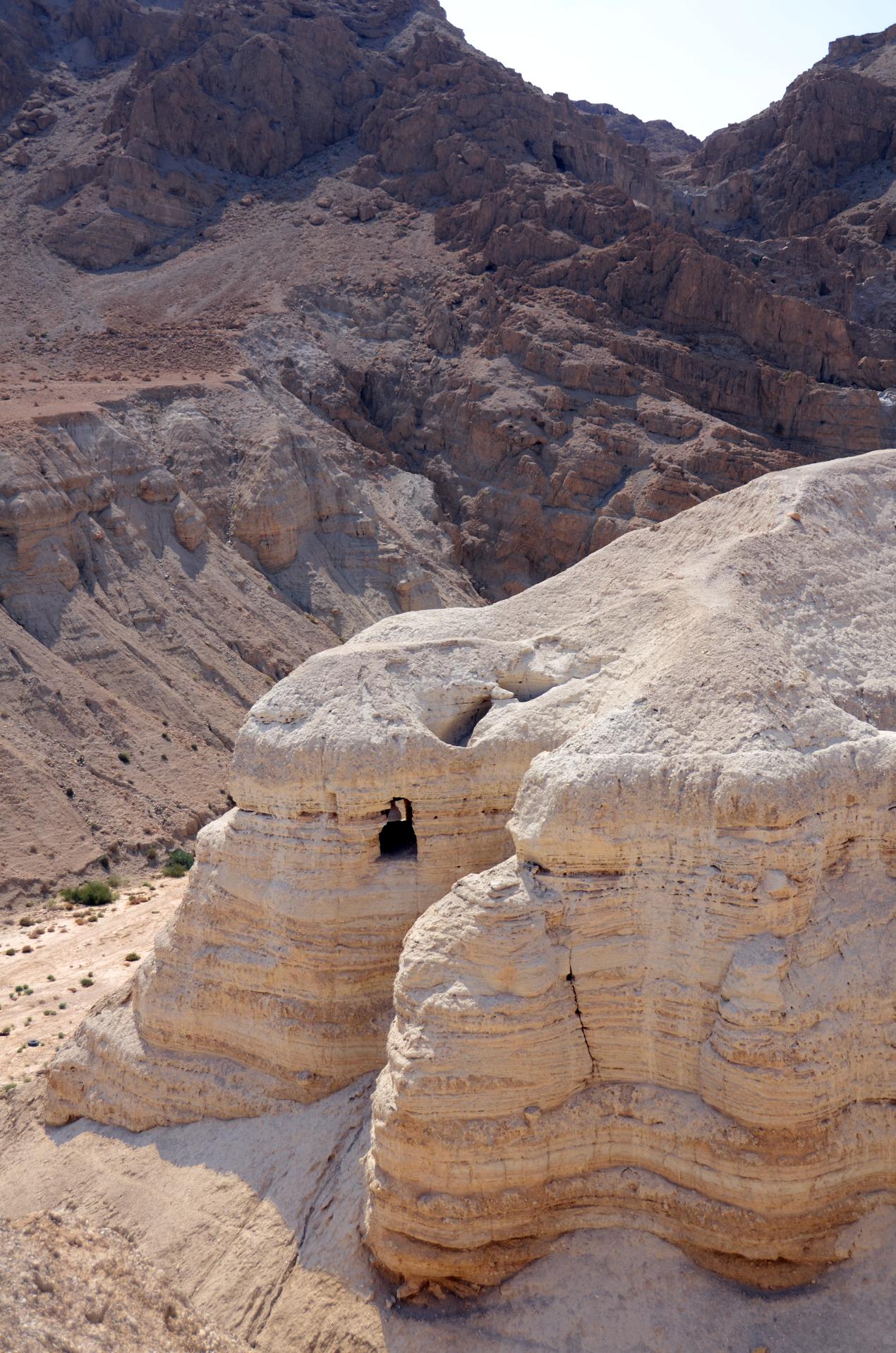
The cave where the Dead Sea Scrolls were discovered
From the Dead Sea we drove to Jerusalem where we first visited Vad Yashem, the Holocaust Museum which was a very moving and disturbing experience.
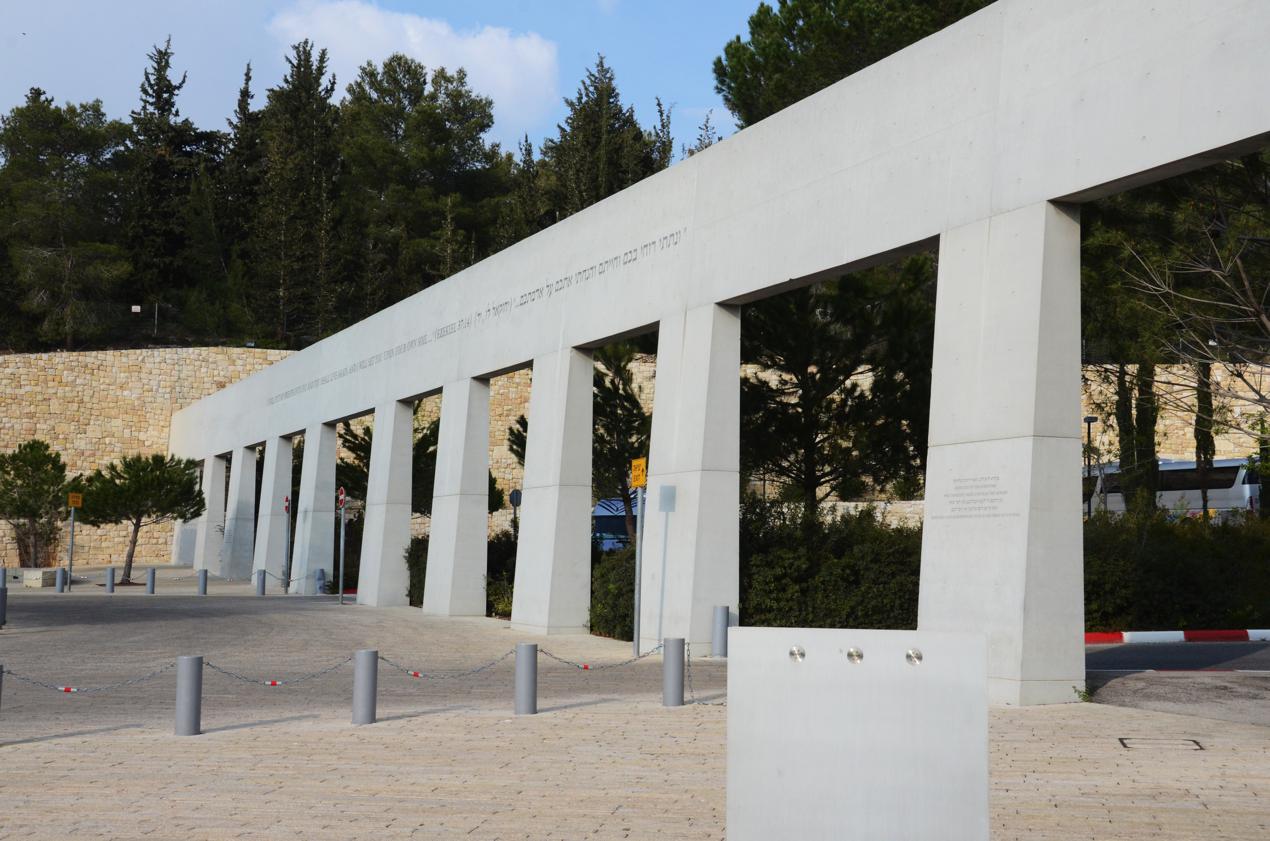
Vad Yashem
After the Vad Yashem we went to the Old City and walked around the four quarters.

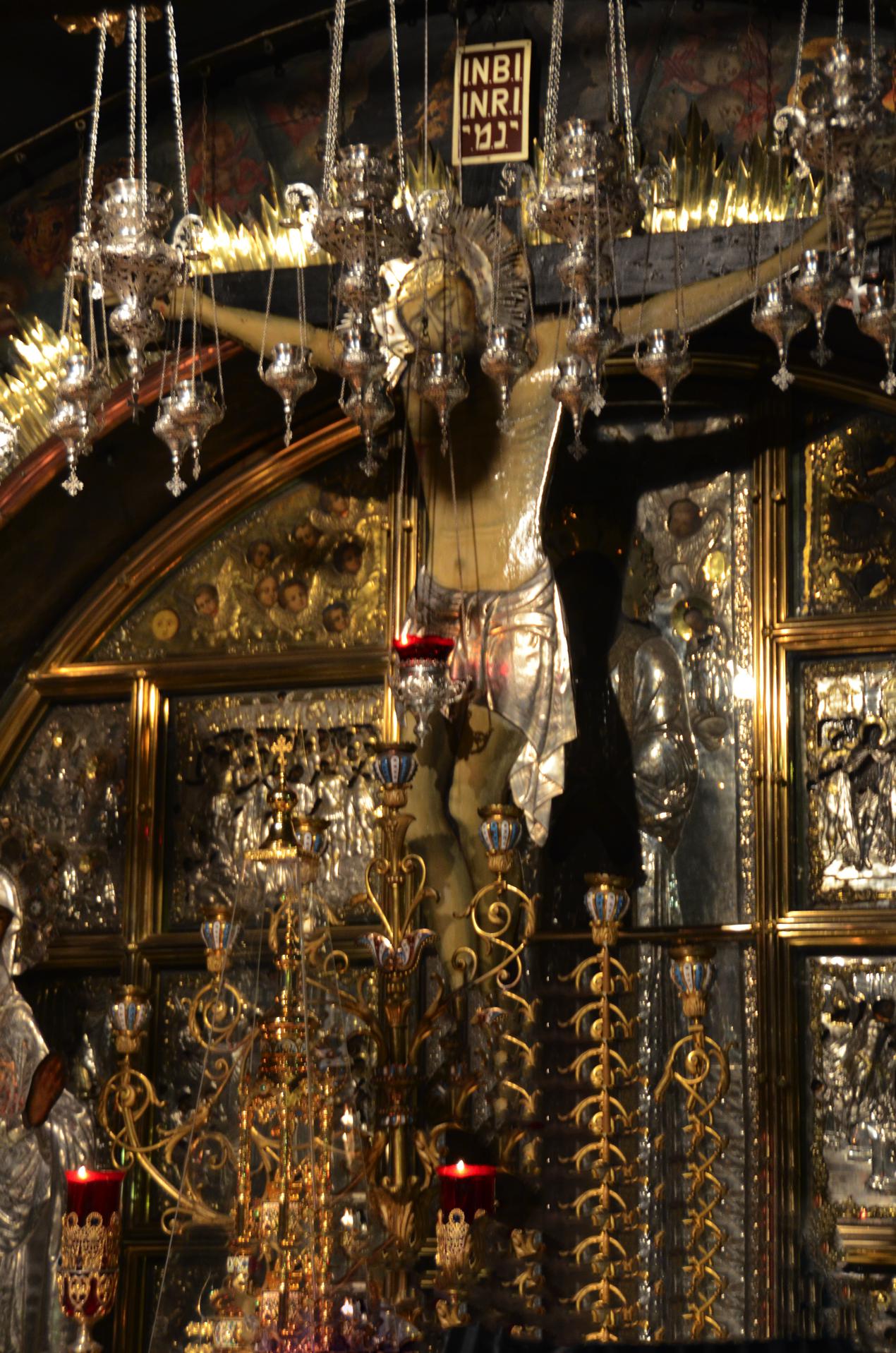
The most spectacular part of this activity was seeing the Church of the Holy Sepulchre and walking around inside.
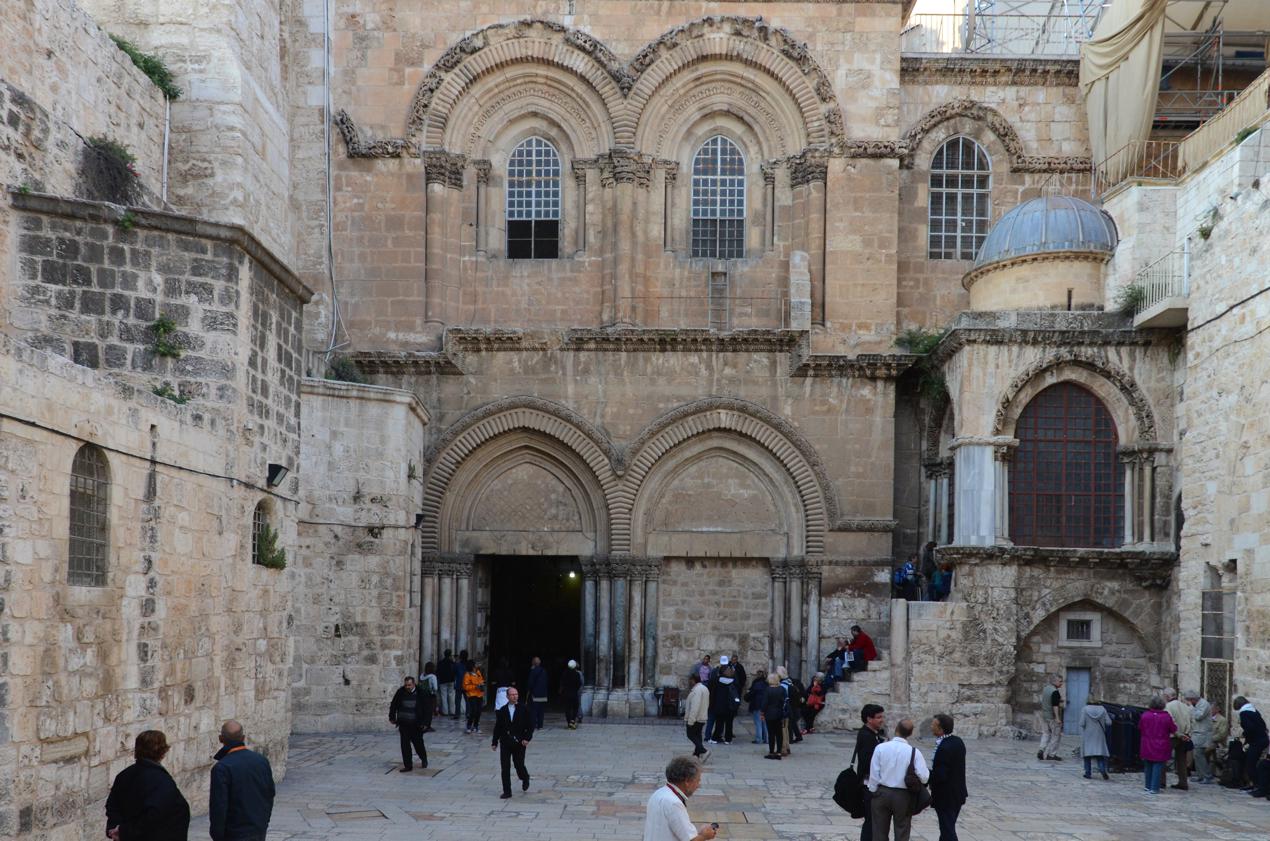

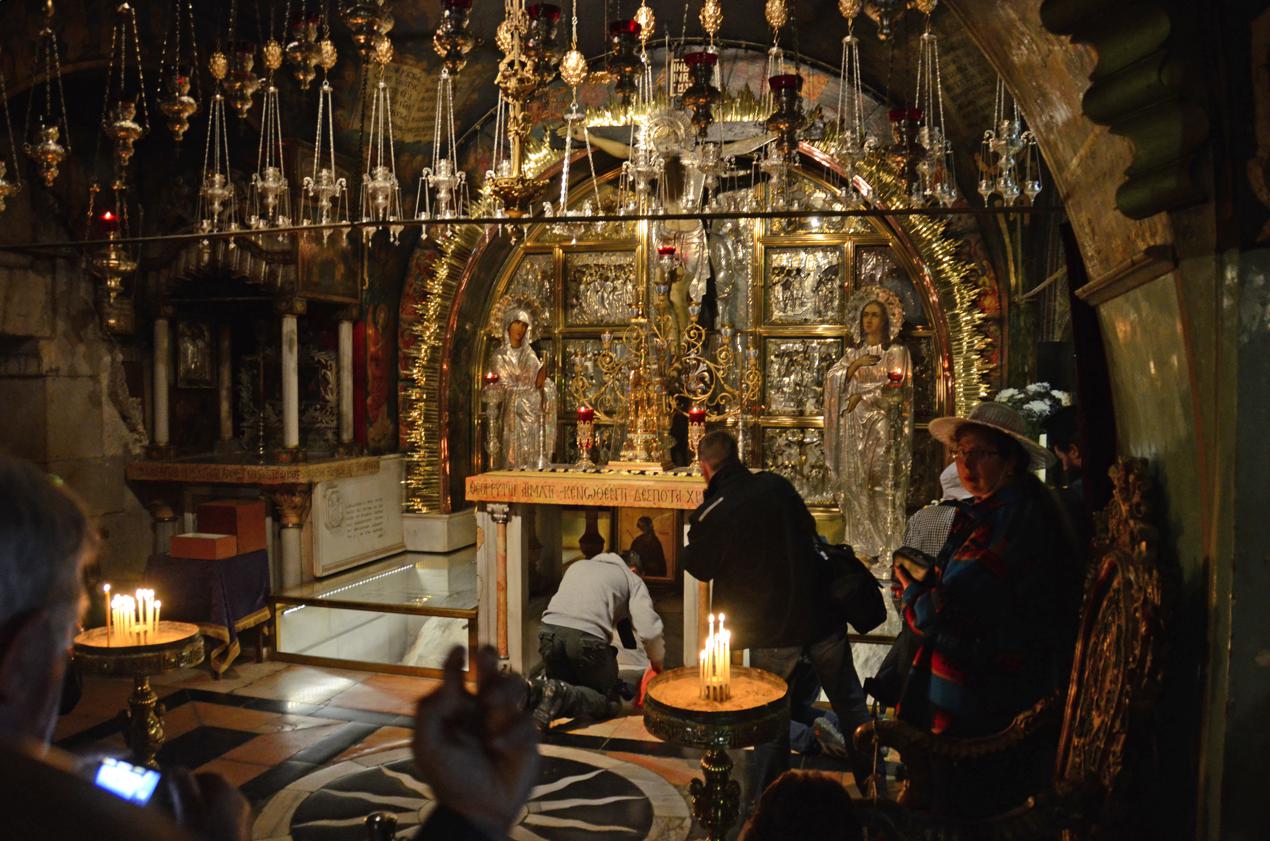
After walking around the Old City we checked into our hotel, which was a nice boutique hotel. The location was a “happening place” and we had a balcony that overlooked the street where several Al Fresco dining areas were set up.

The view looking down from our hotel room in Jerusalem
After dinner we did a night drive to the Mount of Olives, overlooking Jerusalem and then visited the Wailing Wall. The area is segregated into different sections for men and women. A couple of us put on the traditional head dress and entered the mens section to see it up close and touch the wall.
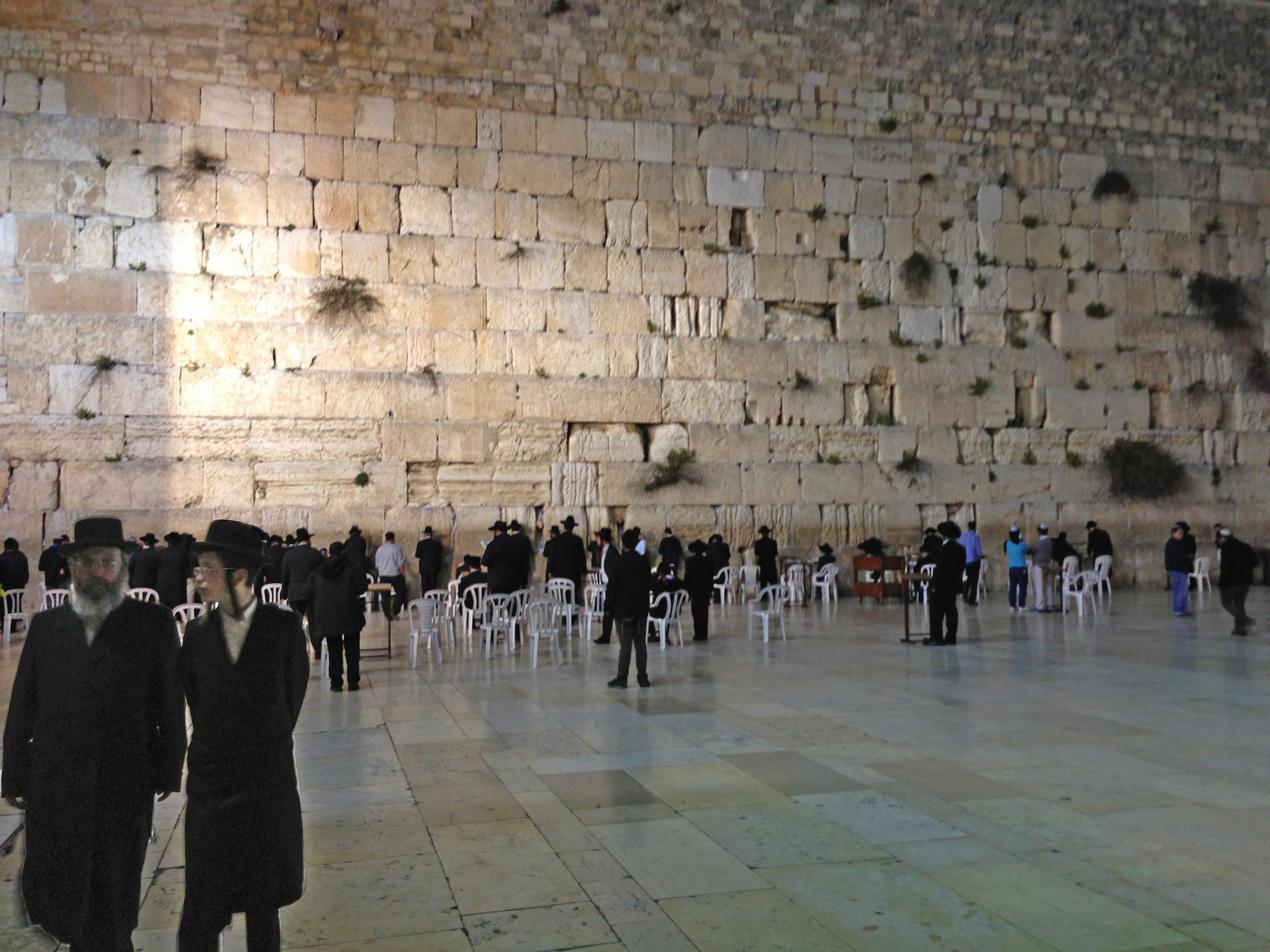
The Wailing Wall
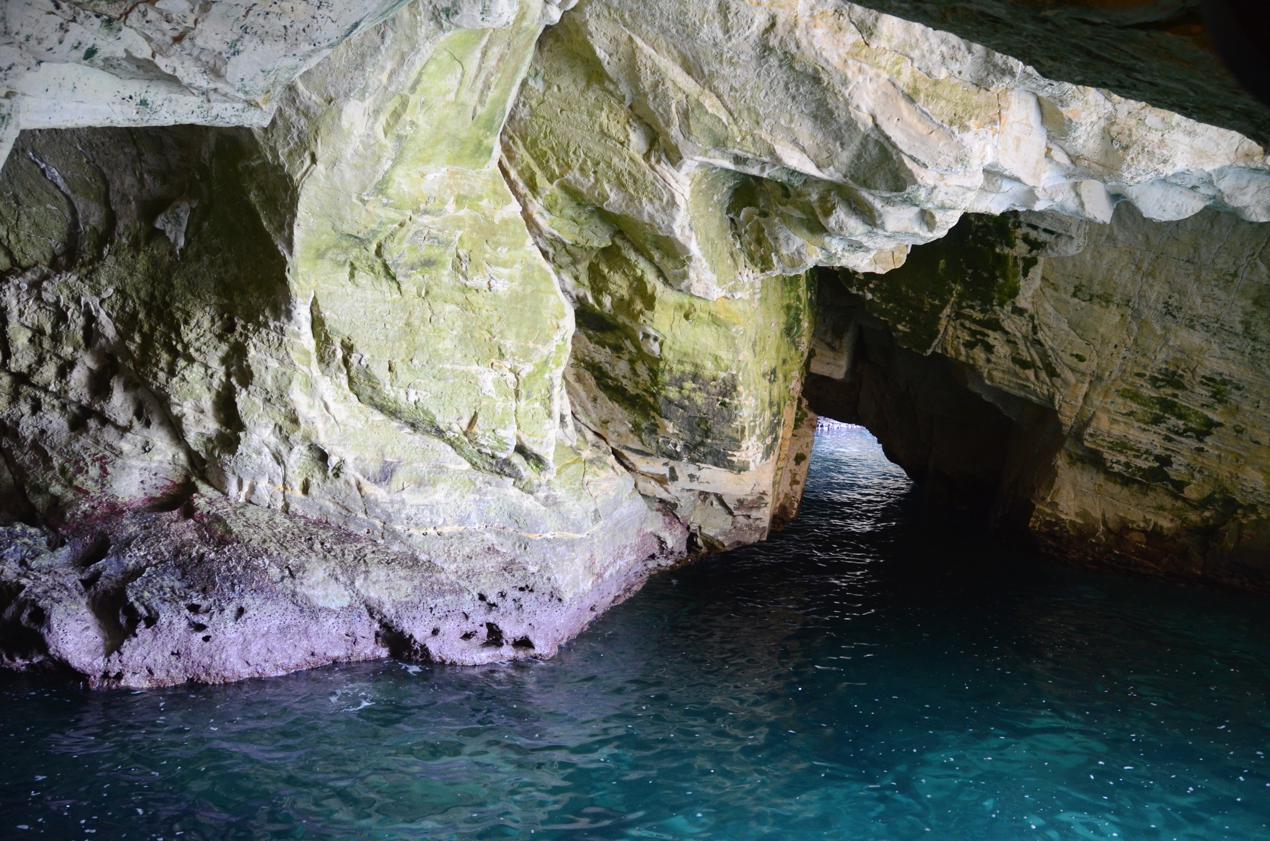
The next day we set off for the border between Israel and Lebanon to visit Rosh Hanikara, an interesting limestone grotto.
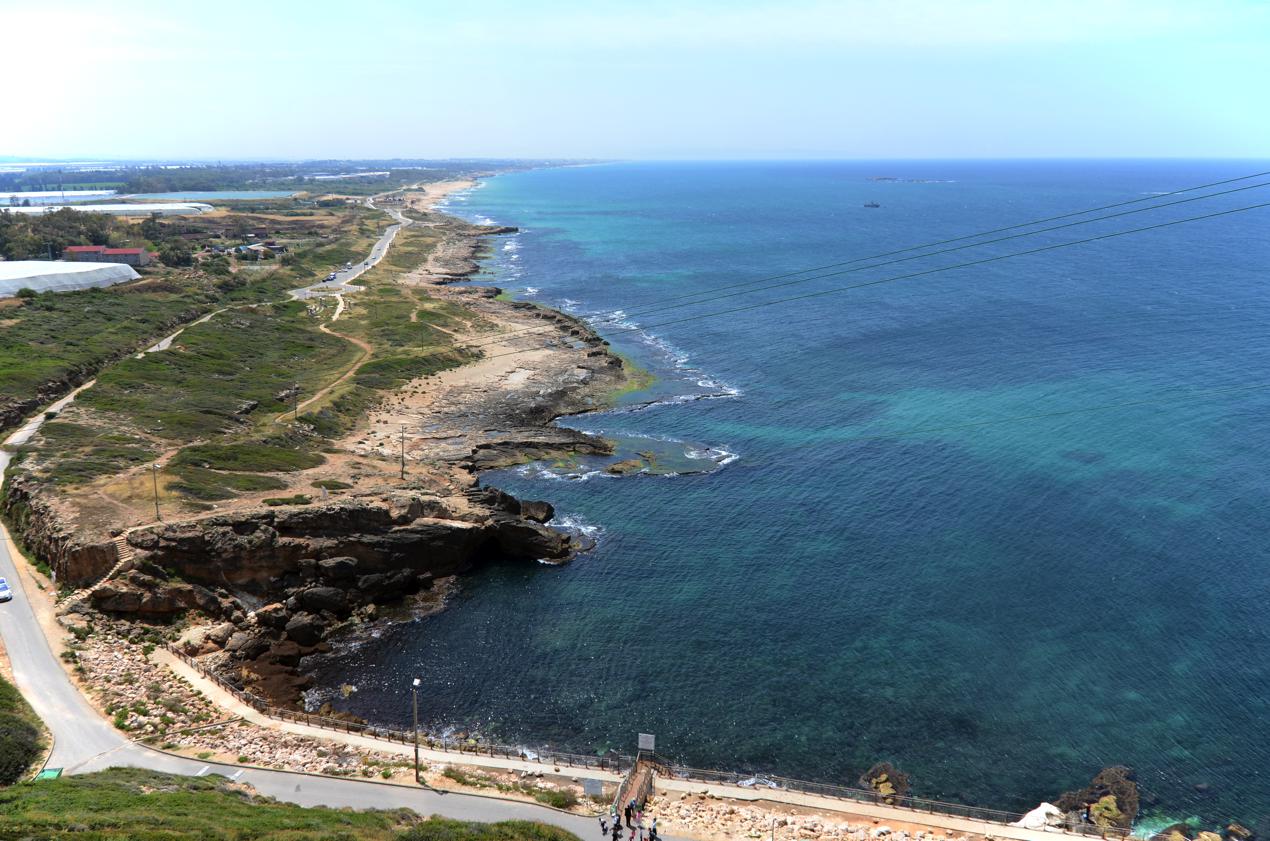
Next stop was Montfort Castle, built by the Crusaders in the Middle Ages. Montfort Castle is located in a nature reserve and when we visited there were busloads of school children having a picnic and excursion.
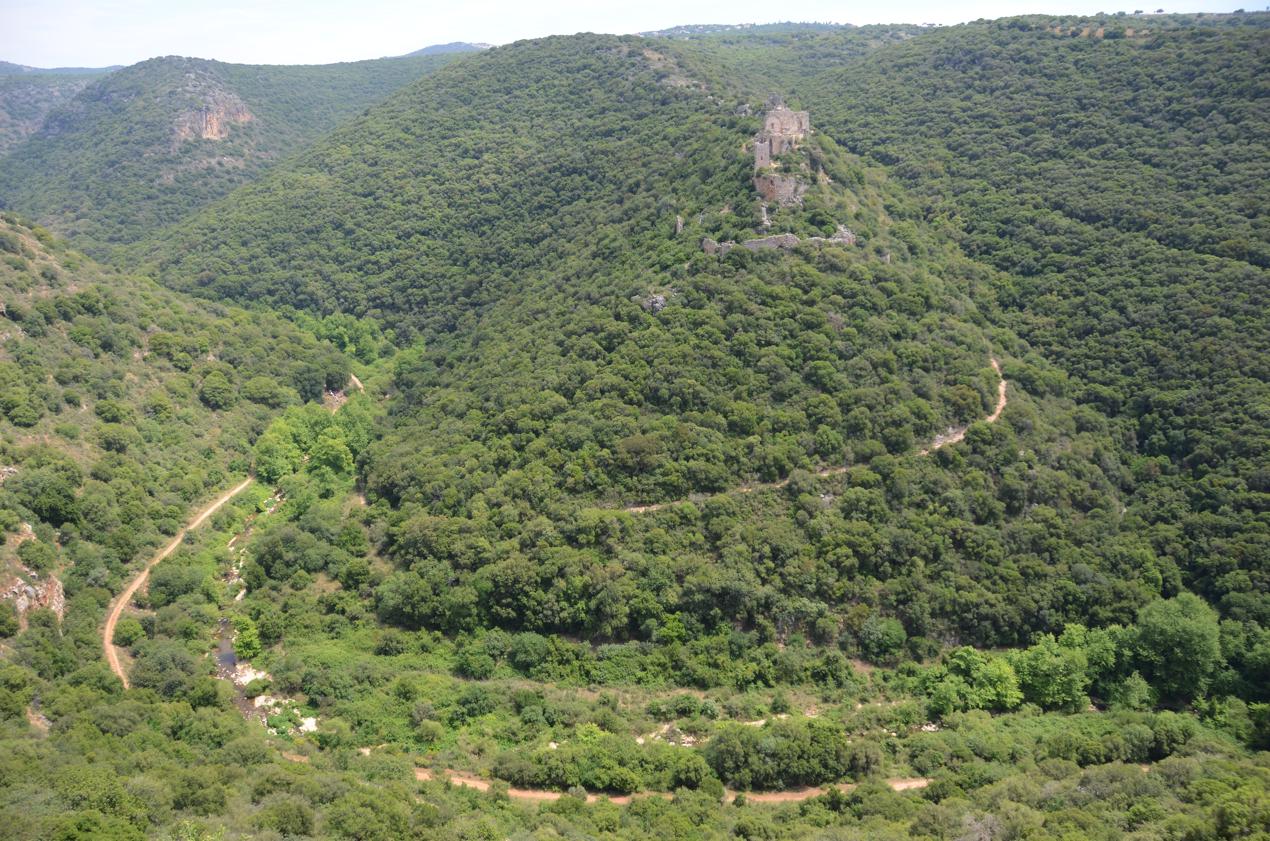
Montfort Castle
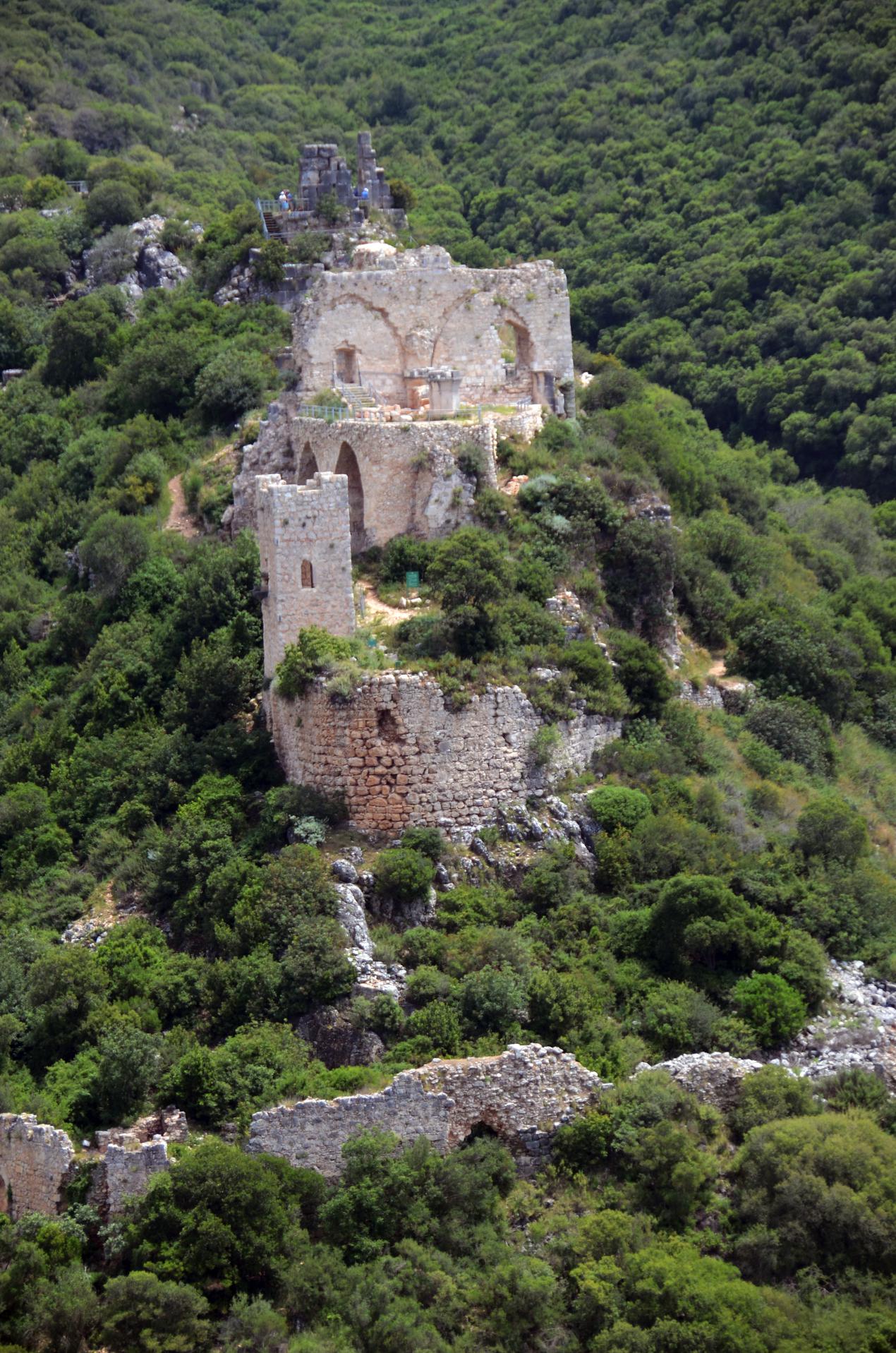
Montfort Castle
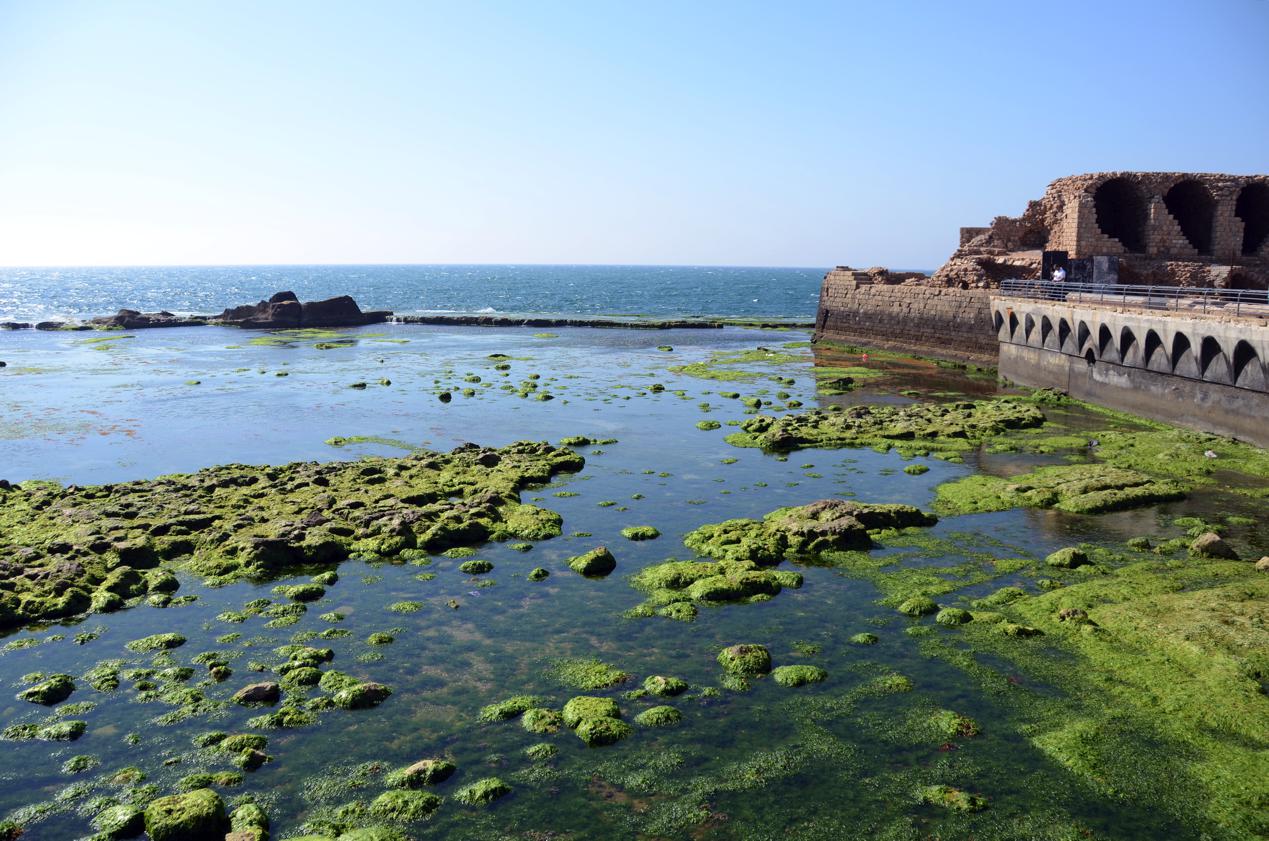
After Montfort Castle we went to Acre to visit the Crusader City. The city has been designated as a UNESCO World Heritage site.
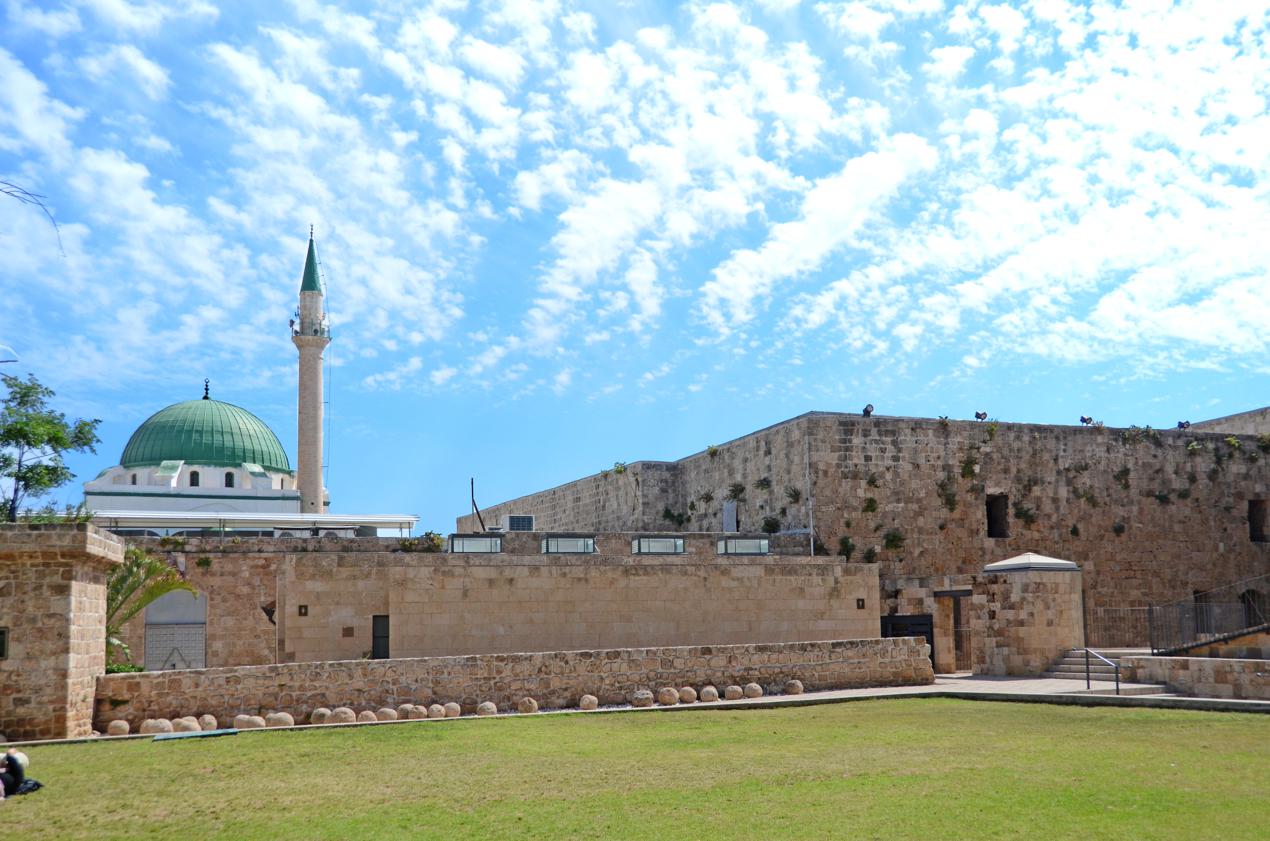

Acre Crusader City. Stairs were built so that horses could climb them
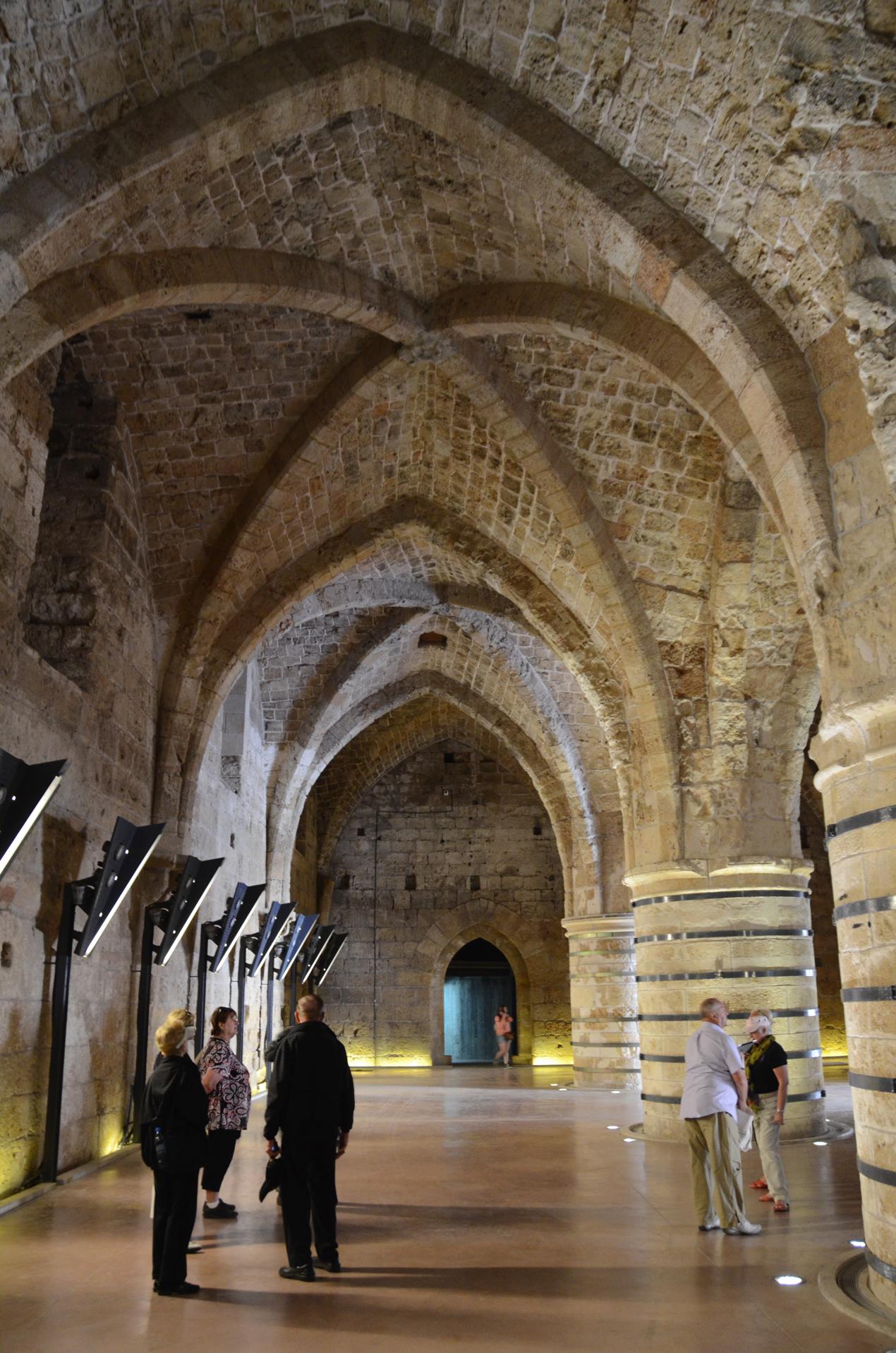
Recent archeological work discovered a tunnel that allowed secret access from the city to the docks area by the sea.

Tunnel providing access from the city to the sea
At the end of our visit to Acre we headed to Haifa to rejoin our ship.
For lots more photos click here to open a new window.
 Jim and Sue's Gray Nomad Adventures